Choosing between microinverters and string inverters is one of the most important decisions in residential solar design. Let's break down the pros and cons.
Microinverters
How they work: Each solar panel gets its own small inverter mounted underneath. DC-to-AC conversion happens at the panel level.
Pros:
- Best shade tolerance - one shaded panel doesn't affect others
- Panel-level monitoring and diagnostics
- Easier system expansion
- No single point of failure
- Longer warranties (25 years typical)
Cons:
- Higher upfront cost per watt
- More components on the roof
- Potentially more maintenance points
String Inverters
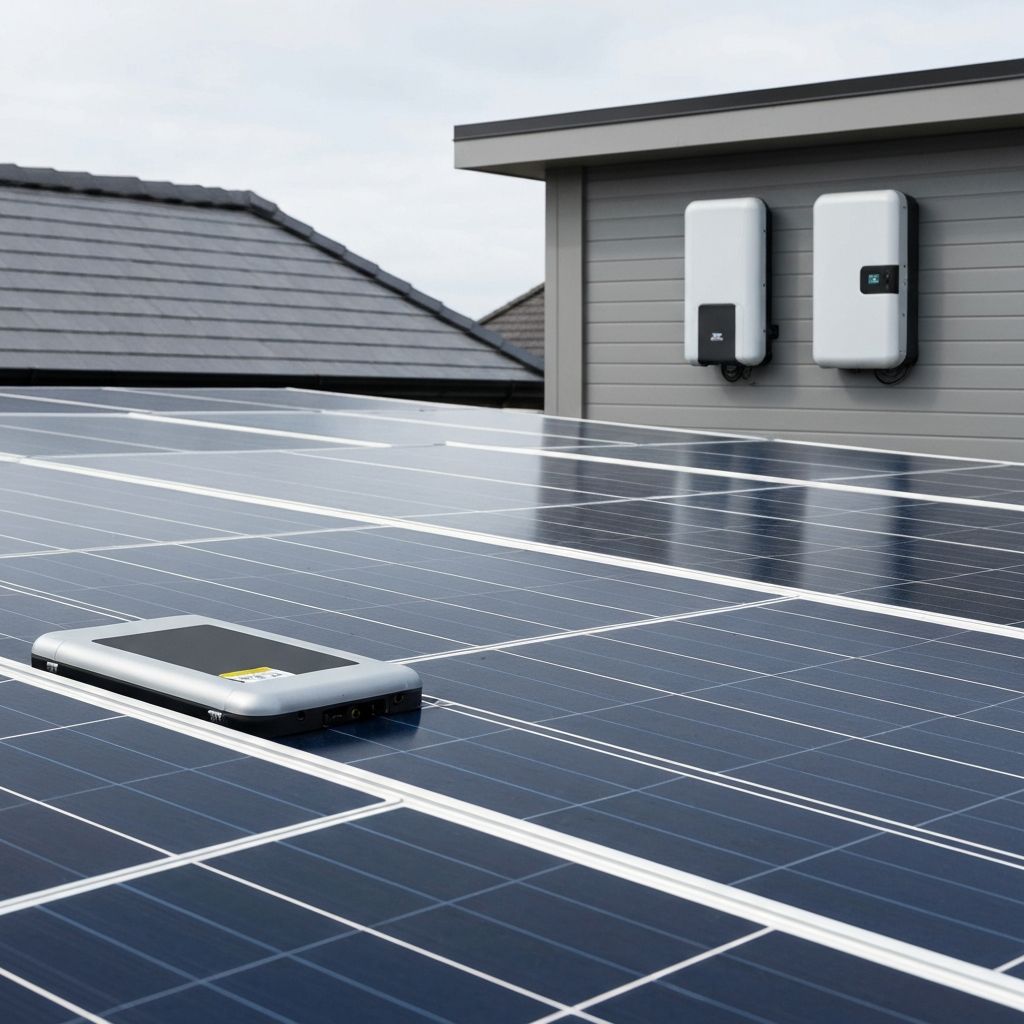
How they work: Multiple panels wire together in series feeding a single central inverter, usually mounted near the electrical panel.
Pros:
- Lower cost per watt
- Fewer components overall
- Easier troubleshooting (single unit)
- Well-proven technology
Cons:
- Shade affects entire string
- System-level monitoring only (unless you add optimizers)
- Shorter warranties (10-12 years typical)
Our Recommendation
For most residential installations, we recommend Enphase IQ8 microinverters for shade-prone roofs and Sol-Ark or SolarEdge for unshaded arrays where battery backup is planned.